.png)
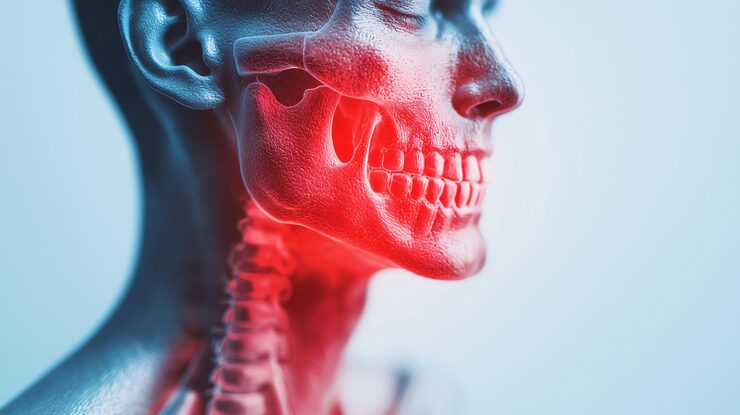
TMJ Pain Treatment: Alleviate Jaw Pain and Improve Functionality
Temporomandibular joint (TMJ) pain can cause discomfort, difficulty chewing, headaches, and even jaw locking. It is a condition that affects the jaw joint, which connects your jaw to the skull. Whether caused by stress, injury, or underlying jaw misalignment, TMJ pain can disrupt daily activities, making it essential to seek effective treatment.
At Aarvi Dental Care, we specialize in diagnosing and treating TMJ disorders using non-invasive therapies. Our goal is to reduce pain, restore proper jaw movement, and enhance your quality of life. With the right treatment, TMJ symptoms can be alleviated, enabling you to return to normal function.
Treatment Options for TMJ Pain
- Physical Therapy: Exercises and massage therapy to improve jaw movement and relieve tension.
- Medications: Anti-inflammatory drugs, pain relievers, or muscle relaxants to manage symptoms.
- Mouth Guards: Custom mouthguards or splints to reduce teeth grinding and jaw clenching, which can exacerbate TMJ pain.
- Heat/Cold Therapy: Heat packs or cold compresses applied to the jaw to reduce inflammation and ease discomfort.
- Stress Management: Techniques such as relaxation exercises and counseling to address the stress that may contribute to TMJ pain.
- Surgical Options: In extreme cases, surgical intervention may be required to correct TMJ dysfunction.
Why Choose Aarvi Dental Care for TMJ Pain Treatment?
At Aarvi Dental Care, we provide individualized care tailored to your TMJ pain needs. Our experienced team offers the following advantages:
- Experienced professionals specializing in TMJ pain treatment
- Non-invasive therapies designed to alleviate pain and improve function
- Comprehensive treatment plans that address the root cause of the problem
- State-of-the-art equipment and advanced diagnostic tools
Frequently Asked Questions About TMJ Pain Treatment
TMJ pain refers to discomfort in the temporomandibular joint, which connects the jaw to the skull. It can be caused by factors such as jaw injury, arthritis, teeth grinding, misalignment, and stress.
TMJ pain can be treated with a variety of methods, including physical therapy, medications, stress management, mouthguards, and heat/cold therapy. In severe cases, surgery may be considered as a last resort.
Most TMJ treatments are non-invasive and come with minimal side effects. However, some discomfort or mild soreness may occur after certain treatments, such as physical therapy or mouthguard use. Any side effects can usually be managed with medication or adjustments to the treatment plan.
Yes, most cases of TMJ pain can be treated with non-surgical methods, such as physical therapy, mouthguards, and medications. Surgery is typically only considered in extreme cases where other treatments have been ineffective.
The duration of TMJ treatment varies depending on the severity of the condition and the type of treatment chosen. Non-invasive treatments such as physical therapy or mouthguards may take a few weeks to show improvement, while more advanced treatments may take longer.